
My young foolish heart
From: Anja Hilling
Directed by: Hugo Arrevillaga
Cast:
Mrs. Schlüter – Lucero Trejo
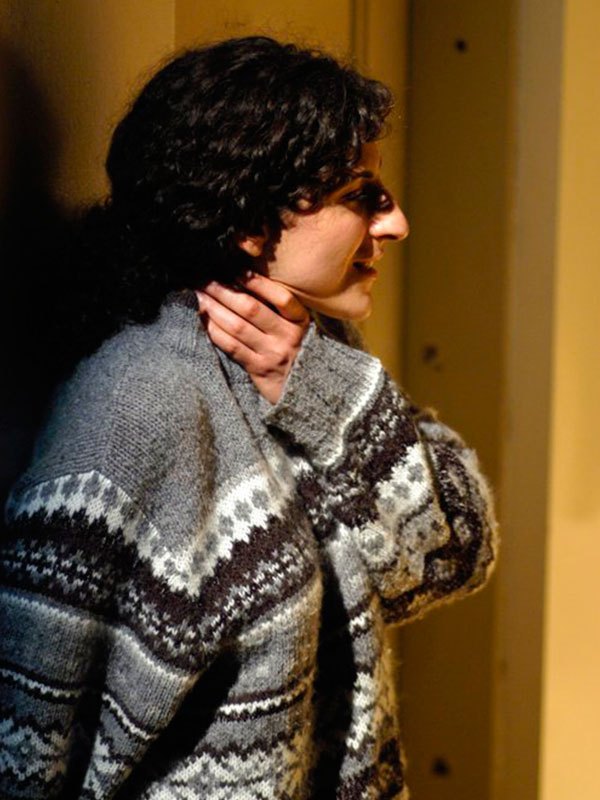
Paula Lachmär – Karina Gidi
Ludger Hase – Constantino Morán
Eugen Zarter – Dardo Aaguirre
Hans Werner Sandmann – Raúl Adalid
Miroslav Vulic – Humberto Busto
Stage Movement: Marco Antonio Silva
Scenography and Lighting: Sergio Villegas
Costume Design: Bertha Romero
Music and Sound Design: Ricardo Cortés
Assistant Directors: Ángeles Hernández
Scenography Assistants: Mariana Sánchez and Germán Cárdenas
Image Design: Miguel Durán
Scenography Construction: Macedonio Cervantes
Costume Production: Vesarte
Scenic Painting: Paso de Gato
My young foolish heart is a 1,500-piece desert puzzle. It’s like coming home after a long and terrible day, full of routine and words, or of silences and memories, of desires and frustrations. Let’s say, a normal, ordinary day. And we come home and open a small box, with puzzle pieces—nearly identical pieces that blend in with the color of the table and the color of your hands. And then, there, in front of that disassembled desert, with the weight of the day on your back, you begin the task. And late—very late—after spending long hours trying to make all the pieces fit, almost at dawn, you realize one piece is missing. Just one. And it’s not on the table, nor underneath it, nor in your hands, nor in the box. It’s simply not there.
And you sit and watch the sunrise through the window. And when sleep begins to take over, you dream of the piece, you see where it is, you finally find it. It’s there, lodged in your heart. And in that moment, you wake up and realize there are more than a million pieces missing in your life. And that you will most likely never complete any of the puzzles you’ve set out to solve in life.
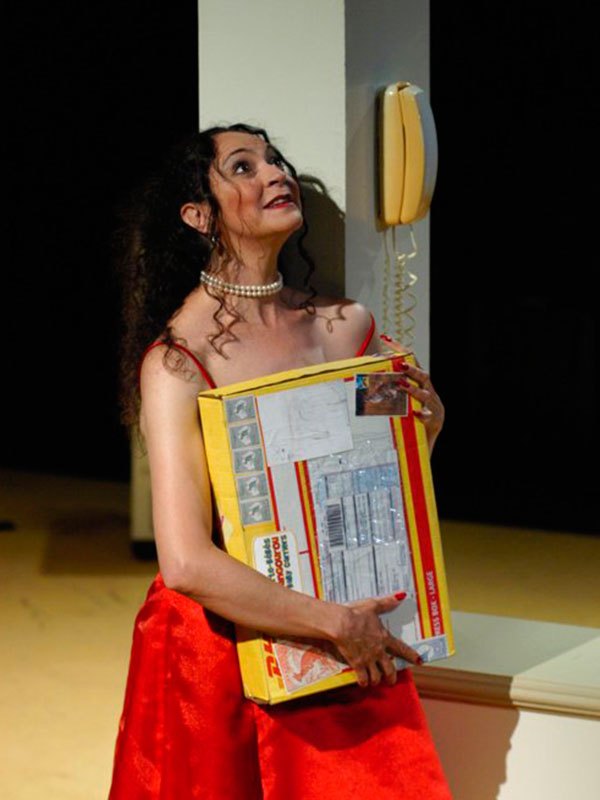
Because there’s someone, somewhere inside you, who won’t leave you alone. Who always makes their own decisions and swims against the current, who has nothing to do with your head and has its own language and its own rhythm. Your heart. Your young foolish heart. Unaffected by time or change of place, and despite having endured disastrous experiences, it insists on clinging to what has hurt it millions of times. Foolish. Illogical. Blind. Deaf. Alive—more than you yourself. Young. Strong. Innocent. Open. Younger than you. Heart. More than you, heart. And you get up, frame the desert puzzle missing its final piece, and head out into the street. To work. Or to let your heart decide something else and take you far away, to find another heart with whom to share the absence of pieces. On an ordinary day that, at any moment, could become extraordinary. Maybe all it takes is to come across a red dress, standing out against the gray of daily life, for the world to change and spin in the opposite direction. To come across that is no coincidence—coincidence is something else. That is playing with destiny.
In the end, I suppose every head is a world. But I’m sure every heart is a universe. It’s hard to believe there could be a bridge between the head and the heart, between the world and the universe. I suppose there will always be an abyss between REASON and LOVE.
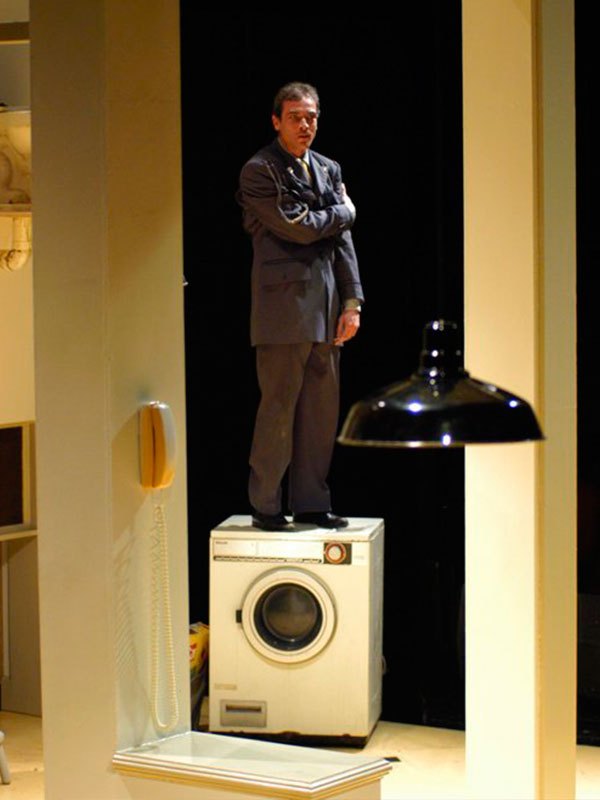
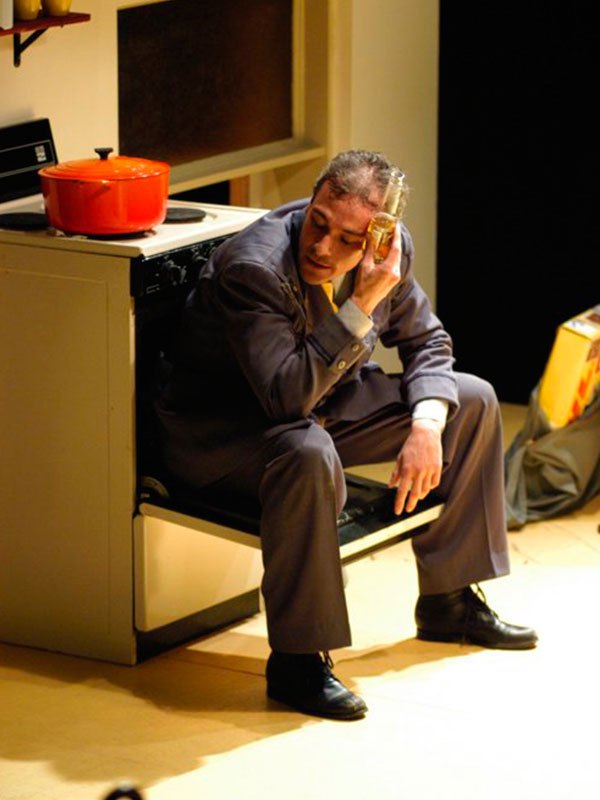
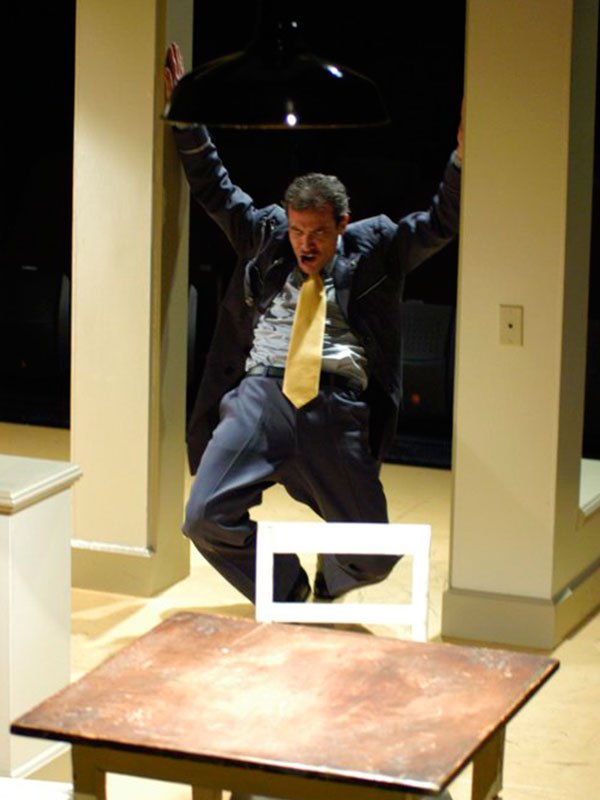
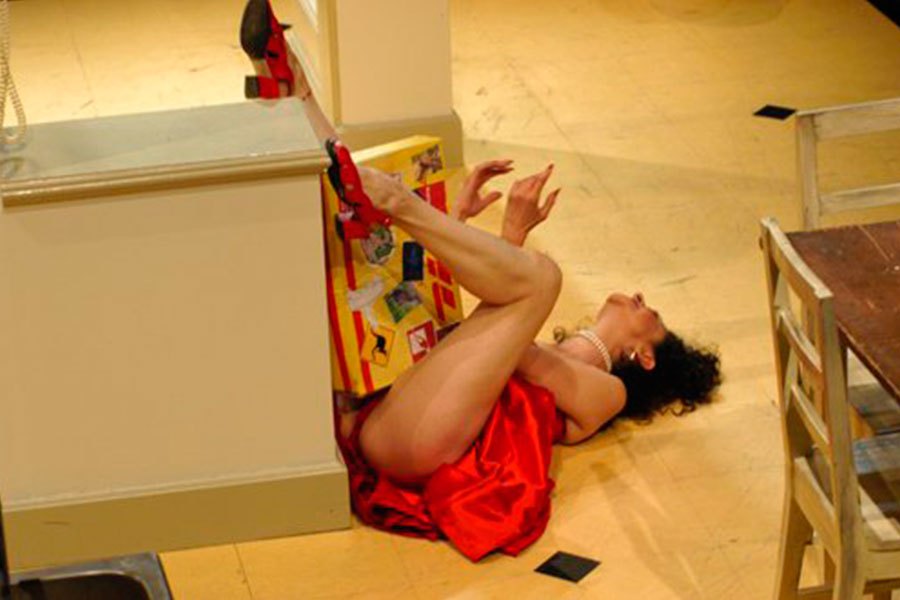
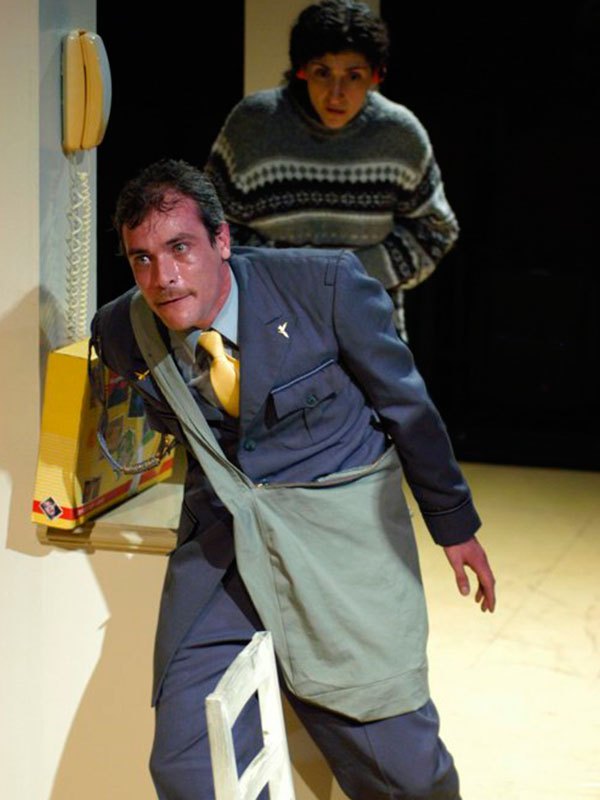
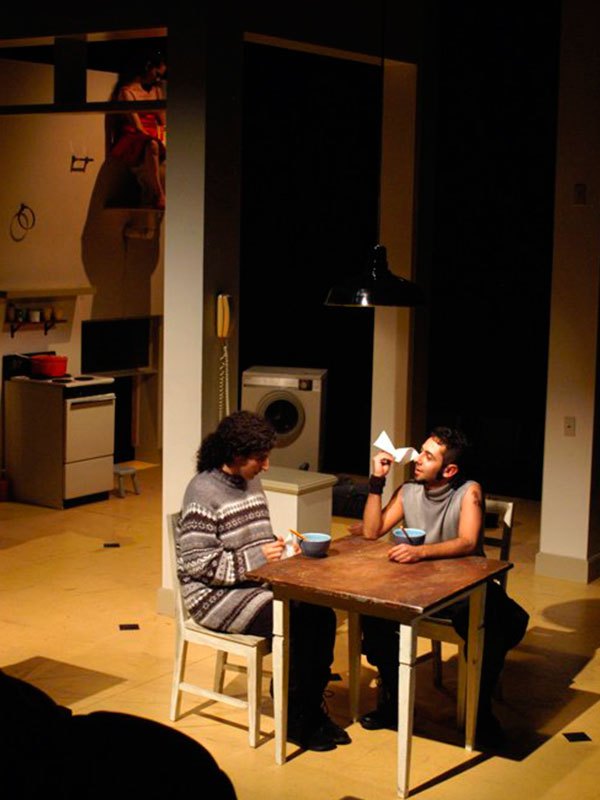
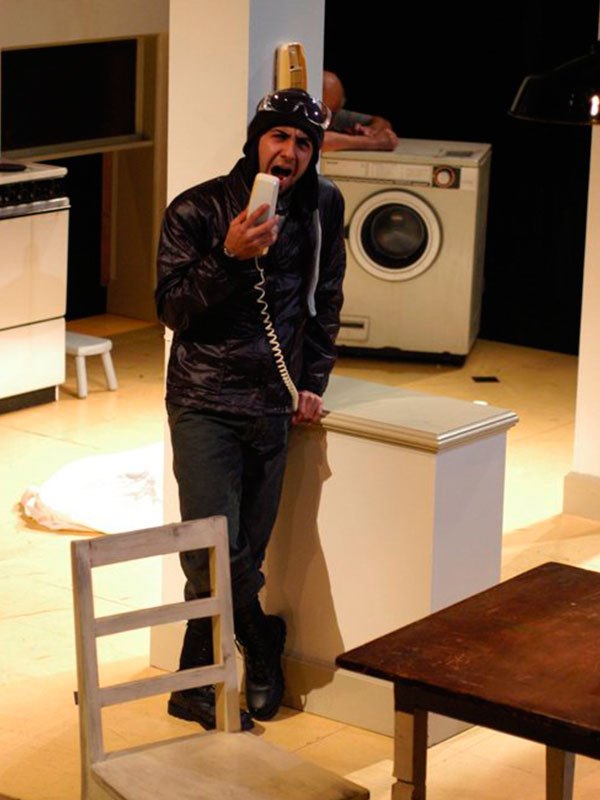
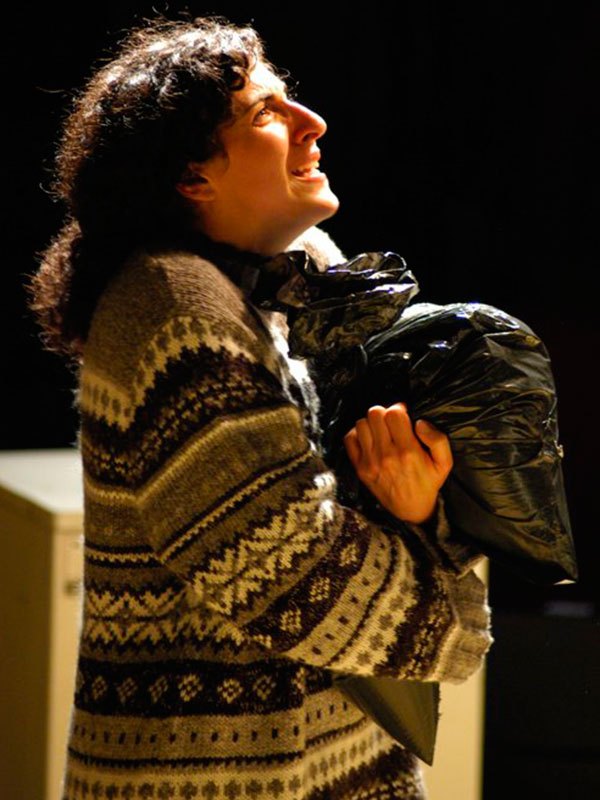
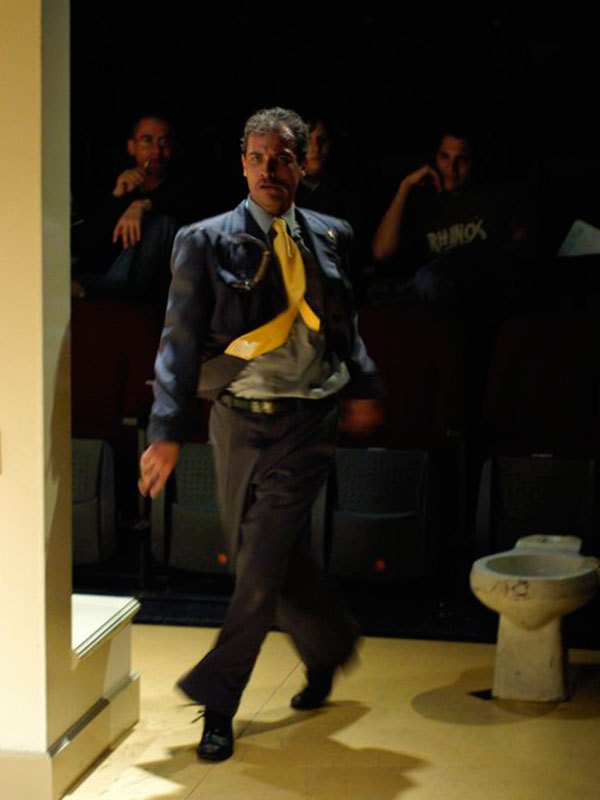
And right in that abyss, six characters, playing with destiny. A red dress, a packet of kangaroo stickers, a goulash, Mick Jagger, a burgundy sweatshirt, a dream, a photograph taped to the wall with scotch tape, a leak, a children’s TV show with a little puppet named Sandmann, two Dorises, and several puzzle pieces.
This is a story of Sex and Crime. That is to say, a story of Love.
HUGO ARREVILLAGA SERRANO